

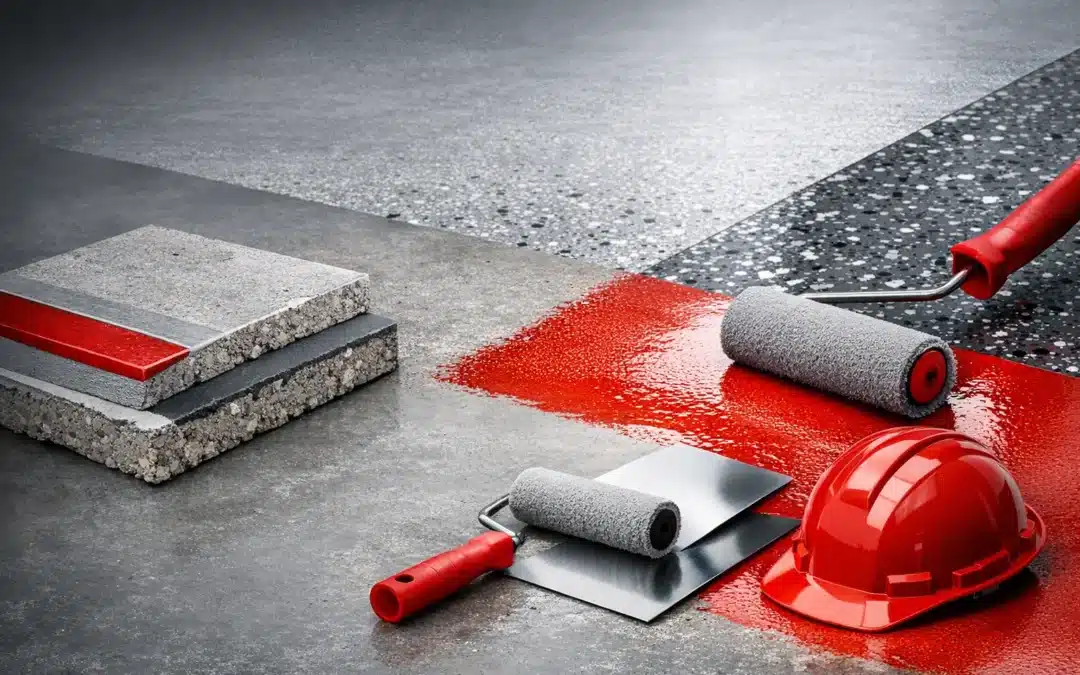
Concrete floor coatings provide a tough, seamless layer that shields your floor from wear, chemicals, and daily abuse—transforming plain concrete into a durable, attractive surface that stands the test of time. Whether you’re tackling a busy warehouse, a retail space, or even your own garage, the right coating extends your floor’s lifespan and keeps maintenance simple.
Why Your Concrete Floor Needs Protection—And What Happens If You Skip It
If you’ve ever noticed cracks, dust, or unsightly stains on bare concrete, you’ve seen what happens when concrete floors are left unprotected. Concrete is strong, but it’s also porous—meaning oil, water, and chemicals can seep in, causing stains and weakening from within. Over time, foot and vehicle traffic grind dust into the surface, making it look tired and uneven.
In commercial spaces, uncoated concrete can quickly become a safety hazard. Spills linger, trip hazards develop, and heavy machinery leaves marks that are impossible to fully clean. For homeowners, garages and workshops without coatings end up dusty, hard to sweep, and prone to tire marks and oil spots.
A properly chosen floor coating acts as a barrier, keeping moisture and contaminants out and locking durability in. It’s not just about looks—it’s about preventing expensive repairs and disruptions down the line.
Which Concrete Floor Coating Is Right for You? (A Guide to the Main Types)
Choosing a concrete floor coating isn’t just about picking a colour or finish. You need a solution that matches your environment: the traffic, the chemicals, the look you want, and how quickly you need the floor back in action.
Here’s a breakdown of the main types, with pros, cons, and real-world uses:
| Coating Type | Best For | Pros | Cons |
|---|---|---|---|
| Epoxy | Warehouses, garages, workshops | Tough, chemical-resistant, glossy | Longer cure times, sensitive to moisture |
| Polyurethane | Retail, food prep, showrooms | Flexible, UV-stable, easy to clean | Slightly less hard than epoxy |
| MMA (Methyl Methacrylate) | Cold rooms, fast-track projects | Cures in hours, extreme temp range | Strong odour, specialist install |
| Polyaspartic | Garages, commercial kitchens | Rapid cure, UV-stable, decorative | Higher cost, may yellow in sun |
| Acrylic | Decorative, light foot traffic | Quick dry, easy DIY | Less durable, needs re-coating |
You might notice that some coatings are better for speed, while others win on chemical resistance or appearance. If you’re managing a busy site or retail refit, rapid-curing systems like MMA or polyaspartic can keep projects moving without holding up other trades.
How Concrete Floor Coatings Actually Work (And Why It Matters)
Concrete floor coatings aren’t just paint—they’re engineered systems designed to bond tightly to the surface, forming a protective layer that resists wear, stains, and moisture. The coating penetrates pores in the concrete and chemically bonds with it, creating a surface that’s much tougher than bare concrete alone.
This bond is critical. If the coating doesn’t grip the substrate, it’ll peel away under foot or wheel traffic. That’s why surface prep is so important: grinding or shot-blasting opens up the concrete, removing dust and contaminants and giving the coating something to latch onto.
Many coating failures come down to missed prep steps or rushing the process. You’ve probably heard of projects where inadequate drying time led to bubbling or peeling—resulting in expensive, time-consuming rework. Getting the bond right the first time prevents these headaches.
The Step-by-Step Process: What to Expect When Installing a Concrete Floor Coating
Knowing what’s involved can help you avoid surprises and plan your project with confidence. Here’s a typical installation timeline:
- Assessment: The installer inspects your concrete for cracks, moisture, and contaminants.
- Preparation: Grinding, shot-blasting, or acid etching opens up the concrete surface.
- Repairs: Any holes, cracks, or weak spots are filled and patched.
- Priming: A primer may be applied to promote adhesion and block moisture.
- Coating Application: The main coating—epoxy, polyurethane, or another system—is rolled or troweled on in one or more layers.
- Curing: The floor needs time (anywhere from a few hours to several days) to harden and reach full strength.
Each step is essential—skipping or rushing one often means problems later. If your project is on a tight schedule, ask your installer about rapid-set or fast-curing systems that minimise downtime.
Common Mistakes That Sabotage Concrete Floor Coatings (And How to Avoid Them)
Even a great product can fail if the prep or application isn’t spot-on. Over the years, we’ve seen a few recurring mistakes that nearly always cause headaches:
- Skipping moisture testing: Concrete that isn’t fully dry can trap water under the coating, leading to bubbling and peeling.
- Poor surface prep: Dust, oil, or old paint stop the coating from bonding.
- Ignoring cracks: Unrepaired cracks telegraph through coatings, ruining the look and letting in moisture.
- Rushing the cure: Walking on or loading the floor too soon leads to marks and premature wear.
Avoid these by working with experienced installers who treat each project as unique—especially for large commercial floors where consistency across thousands of square feet is critical.
Which Coating Fits Your Space? Real-World Scenarios From Homes to Heavy Industry
Let’s put theory into practice. Matching the right coating to your space comes down to how you use it and what you expect from the floor.
- Garages and workshops: Epoxy or polyaspartic coatings shrug off oil, tyre marks, and dropped tools. A textured finish adds slip resistance for safety. For projects where the floor needs levelling before the final finish is applied, our guide to latex self-levelling screed explains how a smooth base can help achieve better results.
- Retail and showrooms: Polyurethane systems offer a glossy, easy-to-clean surface that stands up to foot traffic and won’t yellow under bright lights.
- Warehouses and logistics: For forklifts and pallets, a heavy-duty epoxy with a non-slip aggregate keeps things safe and durable.
- Food prep and healthcare: MMA or polyurethane is favoured for its chemical resistance and ability to withstand aggressive cleaning.
- Large-scale commercial: Consistency matters—automated systems and skilled installers ensure a seamless finish without visible joins or variations, even across thousands of square metres. For more general guidance on preparation, materials and choosing the right system, see our complete guide to floor screeding.
No two jobs are quite alike. Start by listing your must-haves: chemical resistance, quick turnaround, a particular look, or easy cleaning.
What to Ask Your Flooring Contractor Before You Commit
Choosing a contractor is as important as choosing the coating itself. Here are key questions to ask:
- What surface prep will you do? (Look for grinding or shot-blasting, not just cleaning.)
- How do you handle cracks and moisture issues? (Beware anyone who says “don’t worry about it.”)
- What warranty do you offer—and what does it cover?
- How long before I can use the floor? (Be clear about when you can walk, move in, or drive vehicles.)
- Can you show examples of similar projects?
Don’t be shy about asking for detail. The best installers welcome questions—it shows you care about getting it right.
How Long Will It Last? Understanding Lifespan and Maintenance
With the right product and installation, concrete floor coatings can easily last 10-20 years—even longer in light-use areas. But longevity depends on three things:
- Coating type: Heavy-duty epoxy outlasts acrylics, while polyaspartic offers rapid return to service with a solid lifespan.
- Surface prep: A well-prepped floor resists peeling and delamination.
- Maintenance: Regular cleaning and prompt repair of scratches or chips keep the coating looking fresh.
In harsh environments (like food factories or busy vehicle bays), plan for periodic inspections and occasional touch-ups to catch wear early. The upfront investment pays off by preventing costly slab repairs or whole-floor replacements down the line.
Case Study: A Busy Essex Distribution Centre Gets a Makeover
A logistics company in Essex faced a classic challenge: 3,000 square metres of bare concrete, constant forklift traffic, and a strict weekend-only downtime window. Their old floor was pitted and stained, with dust constantly tracked into offices.
We recommended a rapid-set epoxy system with a non-slip aggregate. Over a single weekend, our team prepped, repaired, and coated the floor. By Monday, operations were back to normal—no project delays, no lingering odours, and a visibly cleaner, safer workspace.
The key was thorough prep, a fast-curing product, and a team experienced in large-area installations. The result: a floor that looked new and stood up to heavy use with minimal maintenance.
DIY or Professional? Knowing When to Call in the Experts
It’s tempting to try concrete coatings as a DIY job—especially with kits marketed for home garages. For small, low-traffic spaces and basic acrylics, a careful DIYer can get good results. But there are clear warning signs you should call a specialist:
- Large areas (over 50 m²)
- Visible cracks, moisture, or old coatings needing removal
- Need for fast turnaround (retail or commercial settings)
- Demanding environments (chemical exposure, heavy vehicles)
Professional installers bring precise surface prep, specialist materials, and experience handling surprises. They’ll deliver a finish that lasts, even on tricky substrates or tight schedules.
The Hidden Costs of Cutting Corners: Why Cheap Isn’t Always Best
Everyone wants to save on upfront costs, but bargain coatings often end up costing more. Thin DIY epoxies may look good at first, but soon chip, peel, or stain. Fixing a failed coating means stripping the surface and starting over—doubling both cost and downtime.
Investing in a quality system with proper prep and professional installation protects your floor for years, saving money on repairs and lost productivity. Look beyond the initial quote: ask about warranty, maintenance, and real-world performance in spaces like yours.
Frequently Asked Questions
Q: How long do concrete floor coatings take to install?
A: Most installations take 1-3 days, depending on floor size, prep required, and curing times. Rapid-set and polyaspartic coatings can be ready for light traffic in just a few hours, while traditional epoxy may need overnight curing before use.
Q: Are concrete floor coatings suitable for underfloor heating?
A: Yes, many modern coatings are designed to work with underfloor heating systems. They’re applied over screeds compatible with heating, ensuring efficient heat transfer and long-term durability without cracking or delamination.
Q: Can coatings be applied to old or damaged concrete?
A: Absolutely—but surface preparation is critical. Cracks, pits, and stains must be repaired before coating. Experienced installers can restore most old slabs, but severely damaged or damp floors may require extra steps.
Q: How do I clean and maintain a coated concrete floor?
A: Most coated floors need only regular sweeping and damp mopping. For tough stains, use mild detergents. Avoid harsh chemicals unless your coating is rated for them. Promptly repair chips or scratches to maintain a seamless barrier.
Q: Will the coating make my floor slippery?
A: Coatings can be made slip-resistant by adding aggregates or textured finishes—especially important in garages, kitchens, or busy commercial areas. Discuss your safety needs with your installer to choose the right finish.
Your Quick-Reference Checklist: Getting Your Concrete Floor Coating Right
Before you green-light your project, run through this checklist to avoid costly mistakes:
- Assess your traffic, chemical, and aesthetic needs—don’t just default to “standard epoxy.”
- Confirm your concrete is dry, clean, and crack-free before coating.
- Choose a reputable installer with experience in your type of space.
- Ask for a clear timeline, including curing times and when you can resume normal use.
- Budget for quality, not just the lowest quote—long-term savings beat short-term wins every time.
A little planning and the right team make all the difference. With a smart approach, your concrete floor coating will deliver protection, style, and peace of mind for years to come.
Talk To The Experts At Complete Floor Screeds
If you need advice on concrete floor coatings speak to Complete Floor Screeds. We have over 30 years of experience in domestic and commercial floor screeding.
Furthermore, our level of expertise enables us to provide you with the highest standards of floor screeds available in London, Suffolk, Norfolk,Cambridge and Essex. From traditional sand and cement screeds to underfloor heating and quick drying screeds. Our portfolio is vast and ranges from large industrial projects, through to home extensions and renovations.
Customer Testimonial
