

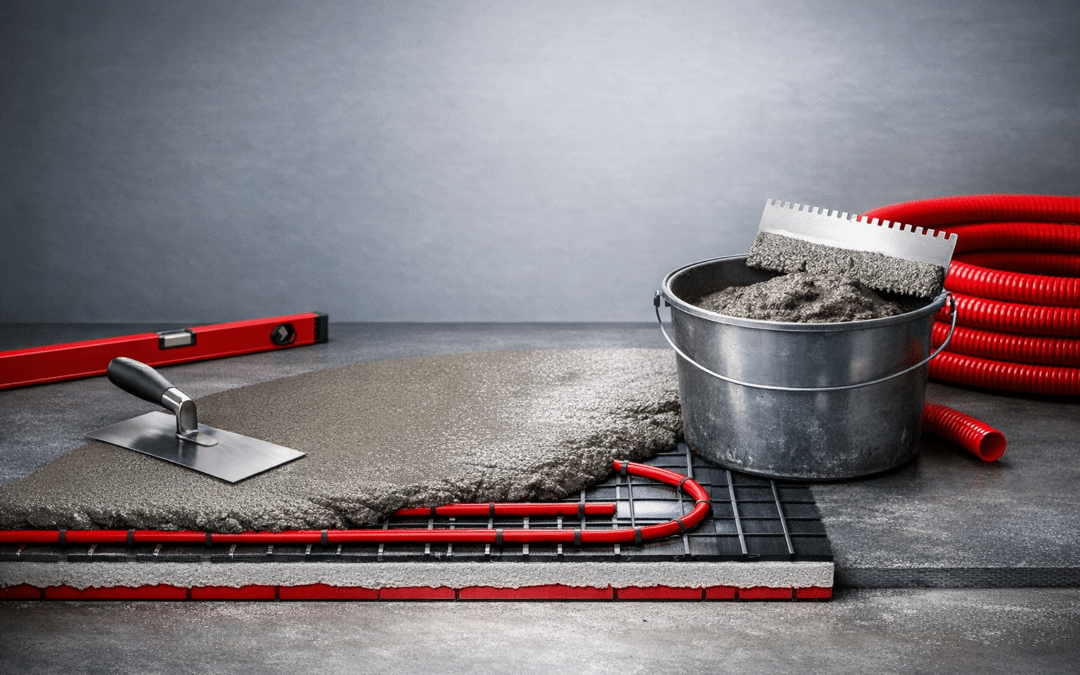
Choosing the right underfloor heating screed is crucial if you want a floor that’s comfortable, efficient, and—most importantly—reliable for the long haul. The best screed not only protects your heating pipes but also ensures even heat distribution and prevents costly failures down the line. Get this decision wrong, and you risk cracks, cold spots, or worse: having to rip everything up and start again.
Why Underfloor Heating Screed Isn’t Just Another Layer
If you’ve ever looked at a cross section of a heated floor, you’ll have seen that screed sits right between your heating pipes and your final floor finish. But it’s not just a filler. Think of screed as the backbone that holds the system together—it protects delicate pipes, transfers heat to your room, and provides a perfectly level surface for tiles, wood, or carpet.
When the wrong screed is used, or it’s installed poorly, the problems show up fast. You might notice uneven heating, hairline cracks, or even movement in the floor. These aren’t just annoyances; they can lead to expensive repairs and disruption. That’s why contractors and homeowners alike need to get the screed choice and installation right from the start.
The Main Types of Screed for Underfloor Heating: Which One Fits Your Project?
Not all screeds are created equal. There are several types, each with their own strengths and quirks. The right choice depends on your project size, timeline, and the final flooring you want to install. Here’s a quick comparison to help you see the trade-offs at a glance:
|
Screed Type |
Best For |
Pros |
Cons |
|---|---|---|---|
|
Traditional Sand & Cement |
Small/medium domestic jobs |
Readily available, familiar to most |
Slow drying, prone to shrinkage |
|
Liquid (Flowing) Screed |
Large areas, commercial |
Fast install, self-levelling, thin layer |
Needs special pumps, moisture control |
|
Rapid Set/Quick Drying Screed |
Projects on tight schedules |
Walkable in hours, floor finish sooner |
Higher cost, requires careful mixing |
|
Polymer or Resin Screed |
Heavy duty, industrial |
High strength, resistant to chemicals |
Expensive, specialist install needed |
How to Tell If Your Screed Choice Matches Your Heating System
It’s tempting to just go with what your builder suggests, but underfloor heating puts unique demands on screed. Not every type can handle the regular expansion and contraction from heat cycling. Here’s what you should ask before making your decision:
-
Will the screed fully encapsulate the heating pipes or mats?
-
Is it compatible with the maximum temperatures your system will reach?
-
Does it offer good thermal conductivity for efficient heating?
-
What’s the risk of cracking as the screed heats and cools?
-
Are drying times realistic for your project schedule?
If you’re not sure, ask your screeding contractor to walk you through their process and show you past projects with similar requirements. A good team won’t mind sharing details.
Real-World Example: When Drying Time Goes Wrong
Imagine you’ve finished laying the screed and you’re eager to get tiles down. If you rush the drying process or use a slow-drying screed for a time-critical project, you could end up with floor failures—think cracked tiles or peeling vinyl. It’s a headache we see far too often, especially when deadlines loom and patience runs thin.
One homeowner in Essex learned this the hard way. After installing traditional sand and cement screed, the urge to keep the project moving led to fitting the floor finish too soon. Weeks later, patches appeared where the tiles lifted and the underfloor heating failed to work efficiently. The culprit? Inadequate drying time and a screed type that wasn’t matched to the schedule. Avoiding this comes down to honest timelines and the right screed for the job.
Drying Time Myths: What Really Determines When You Can Lay Your Floor
You’ve probably heard the old rule of thumb: “one day per millimetre of screed.” While it’s a decent starting point, modern screeds and underfloor heating systems complicate things. Factors that affect drying include:
-
Screed thickness
-
Ambient temperature and humidity
-
Type of screed (traditional, rapid set, liquid, etc.)
-
When you first switch on the heating
Failing to plan for these can mean project delays that snowball, tying up teams and budgets. The best approach is to follow the manufacturer’s guidelines for both screed and heating system, and always test moisture with a hygrometer before laying final flooring.
Is Liquid Screed Always Better for Underfloor Heating?
Liquid screed (also called flowing screed) is popular for underfloor heating, and for good reason. It wraps tightly around pipes, leaving no air pockets, so you get more efficient heating. Its self-levelling nature also means large areas can be installed quickly and consistently—essential for commercial spaces or open-plan homes.
But it’s not perfect for every project. Liquid screed usually needs a moisture barrier and specialist pumps. It also has a minimum thickness requirement, and improper drying or ventilation can create its own set of problems. For small or irregularly shaped rooms, traditional or rapid-set screeds might still be the better fit.
The Hidden Risks: Cracks, Curling, and Uneven Heating
It’s easy to overlook the technical details when you’re focused on deadlines and budgets. But screed problems can sneak up on you—cracks that telegraph through tiles, or cold patches where the screed didn’t bond with the pipes. Curling (where screed edges lift as it dries) is another headache, especially on big commercial jobs where consistent quality is essential across the whole floor. These issues often trace back to:
-
Using the wrong screed type or thickness
-
Poor mixing or installation
-
Skipping expansion joints
-
Not allowing for proper drying and curing
A careful screeding contractor will anticipate these risks and build in safeguards from the start.
What a Reliable Underfloor Heating Screed Installation Looks Like (Step-by-Step)
Having a clear process is the antidote to most screed failures. Here’s what a well-run installation should look like:
-
Prep the base: Level, clean, and insulate the subfloor. Fit the heating pipes or mats securely.
-
Install edge strips: Accommodate expansion and prevent heat loss at the perimeter.
-
Select the right screed: Match type and thickness to your heating system and project needs.
-
Mix and pour: Use correct ratios and equipment for even distribution.
-
Finish and cure: Smooth the surface, protect from drafts, and let the screed cure undisturbed.
-
Moisture check: Test with a hygrometer to ensure it’s dry enough for floor finishes.
This sequence protects both your investment and your peace of mind.
The Role of Professional Contractors: Why DIY Isn’t Always Worth the Risk
It’s tempting to view screeding as a simple job, especially with so many DIY videos online. But underfloor heating screed is a different beast. Small mistakes—like skipping expansion joints or misjudging drying times—can have expensive consequences. A professional contractor brings:
-
Experience with local building codes and best practices
-
Access to specialist screeds and equipment
-
Guarantees on workmanship
-
Troubleshooting know-how if things don’t go as planned
For complex or high-stakes projects, this expertise can be the difference between a floor that lasts and one that lets you down.
How to Choose a Screed Contractor Who Won’t Let You Down
Not all screed contractors are created equal. You want someone with experience in underfloor heating, a clear process, and a willingness to answer tough questions. Here’s what to look for:
-
Relevant project experience: Ask to see jobs similar to yours, especially with underfloor heating.
-
Detailed quotes: Look for transparency on screed type, drying times, and guarantees.
-
References: Good contractors will gladly provide these.
-
Clear communication: You want someone who explains, not just installs.
Don’t be afraid to walk away if you feel rushed or unclear about any part of the process. The right partner makes all the difference.
Frequently Asked Questions
Q: What is underfloor heating screed and why is it important?
A: Underfloor heating screed is a specialist layer poured over heating pipes or mats to protect them, provide a flat finish, and transfer heat effectively. Using the right screed is essential for efficient heating and to prevent cracking, movement, or floor failures.
Q: How long does screed take to dry before I can lay flooring?
A: Drying time depends on screed type, thickness, and site conditions. Traditional screeds may need several weeks, while rapid-set or liquid screeds can be ready in days. Always confirm dryness with a moisture test before installing floor finishes.
Q: Is liquid screed better for underfloor heating than sand and cement?
A: Liquid screed is often preferred for underfloor heating because it self-levels and surrounds pipes more completely, improving heat transfer. However, it requires specialist installation and may not suit every project—especially small or irregular spaces.
Q: What causes screed to crack over underfloor heating?
A: Cracking can result from using the wrong screed, poor installation, skipping expansion joints, or rushing the drying process. Choosing a compatible screed type and following best practices will minimise this risk.
Q: Can I install underfloor heating screed myself?
A: While DIY is possible for small, straightforward jobs, underfloor heating screed requires experience and precision. Mistakes can lead to costly repairs. Professional installation ensures your system works efficiently and reliably.
Q: How do I know if my screed is ready for floor coverings?
A: Use a calibrated hygrometer to measure moisture. Only proceed when the screed is within the recommended moisture content for your chosen floor finish. Rushing this step can lead to floor failures or poor heating performance.
Quick-Reference Checklist: Choosing an Underfloor Heating Screed That Won’t Fail
Making the right screed choice is about matching the product to your system, schedule, and budget. Use this checklist to keep your project on track:
-
Confirm screed compatibility with your heating system
-
Choose the right type for your timeline (traditional, liquid, rapid-set, etc.)
-
Plan for realistic drying times—don’t rush
-
Insist on moisture testing before laying floors
-
Use experienced, communicative contractors
-
Look for guarantees and a clear aftercare process
Get these steps right, and you’ll enjoy floors that feel as good as they look—warm, level, and built to last.
If you need advice on all types of floor screed – talk to the experts at Complete Floor Screeds. With over 35 years of experience, we work with new builds, listed buildings, home extensions, garage floors, barn conversions, driveways, underfloor heating, commercial buildings and large retail developments. Contact us today to discuss your project requirements, we’ll guide you through every step—from surface preparation to final finish—with expertise and care.